

We learn a lot of coping mechanisms growing up. They help us get through tough times. But we’re adults now, and so many of us are still carrying around coping mechanisms that are no longer needed. They can make us defensive, they can prevent us from developing healthy relationships, and they can hold us back from achieving our goals.
It’s time to “update our software.” Our situation has changed. We’re adults, with the ability to protect ourselves and the freedom to make our own choices. Yet, our brain has stayed the same.
Updating our software means working through our issues and not being afraid to change. In doing so, we can learn healthier ways to engage with the world and create a life we love.
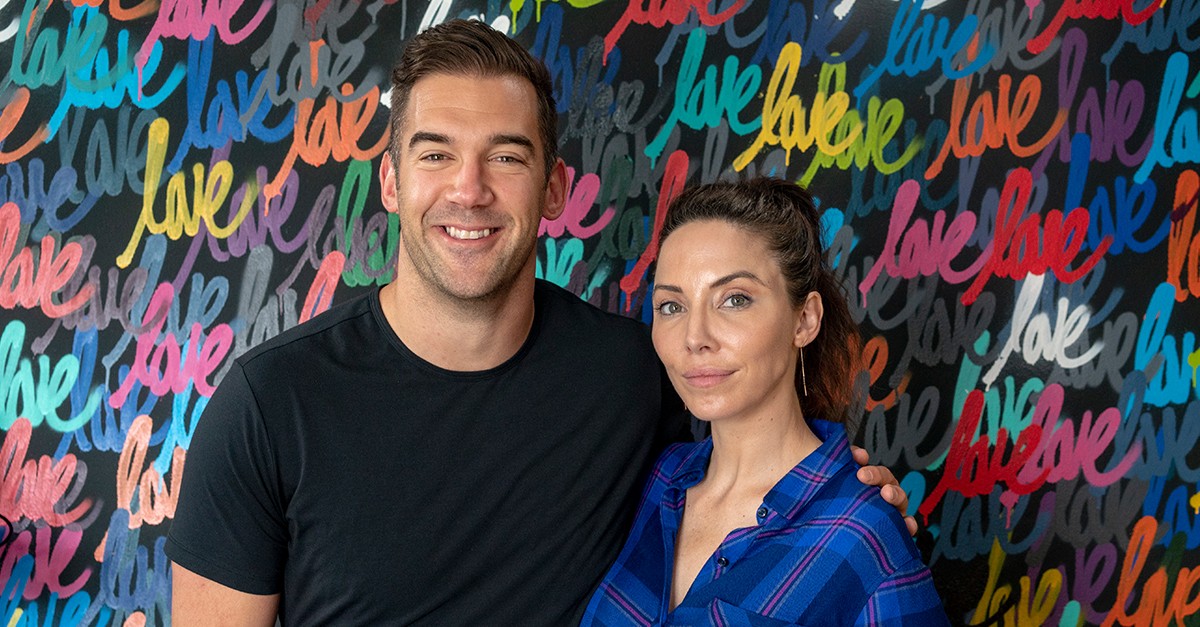
On today’s episode of The School of Greatness, I talk about letting go of the things that no longer serve us with world-famous comedian, Whitney Cummings. We also discuss codependency, reinventing yourself, and overcoming bad habits. Let’s get started!
Who Is Whitney Cummings?
Whitney Cummings is a stand-up comedian, actress, writer, and producer. She created the CBS sitcom “2 Broke Girls,” the NBC sitcom “Whitney,” and the movie “The Female Brain.” She was also a producer and writer for the ABC revival of “Roseanne.”
Her credits also include one comedy album, three Comedy Central Roasts, and four stand-up specials, including her latest special, “Can I Touch It?” which premiered on Netflix in July 2019. Whitney’s comedic memoir, I’m Fine, and Other Lies was released in 2017. In it, she recalls stories and mistakes that are “way too embarrassing to tell on stage,” but that offer an honest perspective of the human experience.
Whitney grew up in Washington D.C. in a dysfunctional home with alcoholic family members, where she learned about codependency — a theme she brings up a lot in her book and stand-up. She was sent away at the age of 12 to Virginia to live with her aunt and returned to Washington D.C. to live with her parents when she was around 16. After high school, she studied acting at Washington D.C.’s Studio Theater and interned at Washington’s NBC-owned television station, WRC-TV. After graduating from the University of Pennsylvania, where she studied communications, she decided to depart from her journalistic aspirations and pursue a comedy career in Los Angeles.
The Comedy Rollercoaster
Whitney takes a lot of risks that don’t always get massive rewards, but that’s what has helped her grow, becoming braver, more curious, more exciting, and more adventurous throughout her career. For example, while her reboot of “Roseanne” got cut short without getting the full applause she was expecting, she never stopped creating. That resilience and risk-taking have gained her a lot of respect.
“I know that we’re all on this quest to solve insecurity and make it all go away. But insecurity sometimes drives us to do good things and get better and work harder, you know? So I think insecurity can be good fuel. It took me a long time to embrace the fact that in standup, you succeed by failing over and over again. It’s like going to the gym. You’re not always going to have the killer day that you want to put on Instagram. It’s not about saying the thing that’s the funniest, it’s saying the thing that’s the truest.” –Whitney Cummings
The key for Whitney, and for many comedians and creative people, is to just fail forward and keep persisting. It’s also important to understand the audience you are speaking to and to take lots of time to listen. Whitney explains the ups and downs of her chosen career.
“It’s tricky because you think you’re great, and then you have a bad couple of months and then you think you suck. And then you have nothing to lose, so then all of the sudden you’re great one night just because you don’t give a crap anymore. And then you go, ‘Oh, whoa, I was trying too hard and that was repellent to people.’ So as soon as you stop giving a crap because you think you suck, is sometimes when you do your best work.” –Whitney Cummings
Whitney talks about how every city and venue is different, and every audience is also different, so you can’t ever go into autopilot doing standup. It’s a conversation, not a monologue. She equates it to boxing: if you’re a second ahead or a second behind, the joke’s not going to land. You need to listen and be aware.
Whitney’s original career path was going to be journalism, which she says has some similarities to being a comedian, as both are “complaining snitches that are obsessed with justice.”
“I thought I was going to be a journalist because I was a seeker and I was curious and I was critical and I always wanted to get the dirt. And then, I was also a performer and I liked doing theater and plays. Then when I was with my friends, I would tell these really long, boring stories about how I hated that you can’t find your car in a parking lot, and I don’t like the ticketing system, and I didn’t realize what I was doing was standup. I was dancing around it and then someone one day — I think just to get me to shut up — was like, ‘You should try, stand up.’” –Whitney Cummings
What she loves about standup is that she believes we all have more commonalities than we do differences, and standup is all about putting a bunch of strangers in a room and having them agree on something. It’s a way for her to be a peacemaker.
The Early Years
Finding a place of peace for her audience comes from searching for peace as a child. Whitney grew up in a very dysfunctional family with divorce, alcoholism, and mental health issues. She has had to do a lot of self-healing to overcome the unhealthy habits she learned as a child, like anxiety, addiction, and codependency.
“I grew up in a home that was not harmonious, where there was a lot of discord and a lot of disagreement. And I always wanted to get everyone to agree and laugh. And it was always to sort of just manage tension. I thought if I could make this person laugh, maybe Christmas would be fun. You know? It was always just trying to manage people.” –Whitney Cummings
Whitney’s book title, I’m Fine, and Other Lies stems from these moments. Now, she says, there are so many more tools for parents, but back then there was a lot of passive-aggressive communication and parents saying “everything is fine,” followed by a huge explosion of resentment.
Whitney’s mother worked a full-time career while taking care of the kids, so she was under a tremendous amount of stress.